
Polynucleotides are used under the eyes to improve skin quality, not to add volume. They can help when under-eye skin looks thin, crepey or finely lined, but they do not fill a deep hollow the way tear trough filler does.
"Dark circles" have several possible causes: thin skin, pigmentation, shadow from a hollow, visible blood vessels or puffiness. Polynucleotides may help some of these, but not all.
Do polynucleotides work under the eyes?
They can, when the concern is the quality of the skin itself. Thin, crepey skin makes the area look tired and shows more of the colour and shadow underneath. A course of polynucleotides supports the skin's regenerative processes rather than adding filler-like volume.
If the main problem is a deep tear trough, prominent fat pads or strong pigmentation, another approach may work better. That is why the consultation starts by identifying the cause.
Dark circles are not one diagnosis
Several different features create a similar tired look, and many people have two or three at once:
Brown pigmentation sits within the skin and may respond better to skincare or other skin treatments.
Blue or purple colour shows through thin skin. This is where polynucleotides are most relevant.
A deep tear trough creates shadow. Filler may be considered in carefully selected patients.
Puffiness casts a shadow below a fat pad. Adding volume here can make the area look heavier.
This is why treatment should follow an assessment, not a before-and-after image seen online.
How polynucleotides work under the eyes
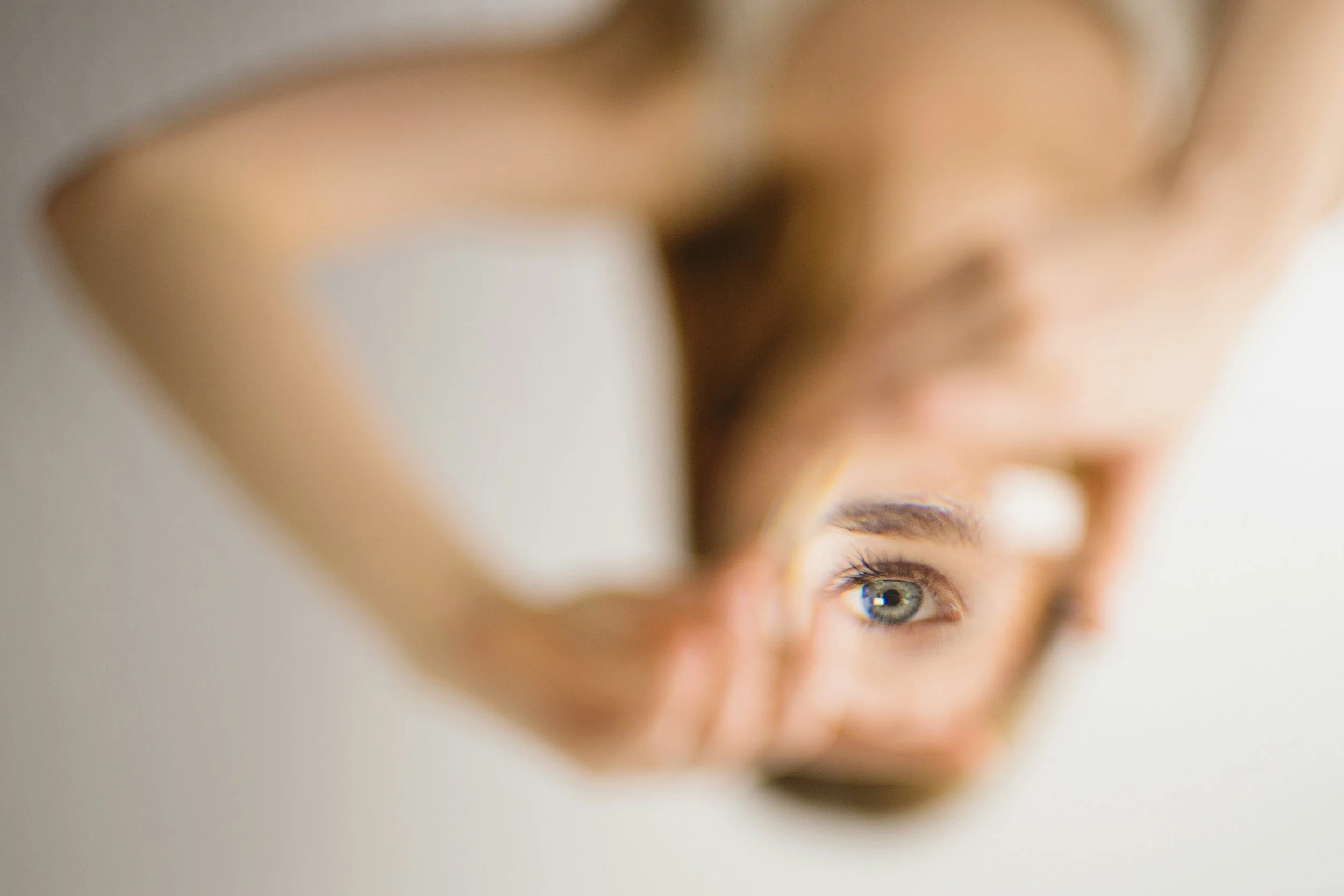
Polynucleotides are purified DNA fragments used in injectable skin-rejuvenation treatments. Small amounts are placed into the skin to support tissue repair and gradually improve skin quality. They do not create the projection or structural change of dermal filler.
Update Aesthetics uses Ameela polynucleotides. These are typically fish-derived, so tell your clinician if you have a fish allergy.
Who is a good candidate for under-eye polynucleotides?
Polynucleotides may suit you if your under-eye skin is thin, crepey, finely lined or tired-looking, or if shadowing is partly caused by thin, translucent skin.
They are less likely to help with a pronounced hollow caused by volume loss, a bulging lower-eyelid fat pad or pigmentation within the skin. Pregnancy and a relevant fish allergy also affect suitability.
If you have swelling, a new lump, a persistent change in one eye or another medical concern, get medical advice before considering any aesthetic treatment.
Polynucleotides vs tear trough filler
Tear trough filler adds volume to reduce a hollow, where anatomy and suitability allow. Polynucleotides do not replace lost volume. They improve the skin covering the area.
Someone with thin skin and mild crepiness may not need volume, while someone with a clear structural hollow may see little change from a skin-quality treatment alone. Sometimes both are used in stages.
| Option | What it mainly treats | Adds volume? | Typical plan |
|---|---|---|---|
| Polynucleotides | Thin, crepey, fragile-looking under-eye skin | No | Short course, with maintenance tailored to response |
| Tear trough filler | Structural hollow in carefully selected patients | Yes | Often a single conservative treatment with review |
| Profhilo | Broader hydration and skin quality | No meaningful structural volume | Initial course, then maintenance |
Polynucleotides vs Profhilo and Jalupro Young Eye
Profhilo is used more broadly for hydration across the face, neck and décolletage. Polynucleotides give a targeted approach for a small, delicate area like the under-eyes. Update Aesthetics also offers Jalupro Young Eye, which is formulated specifically for the eye area.
All three aim to improve skin quality. Which one suits you depends on your anatomy, skin and medical history.
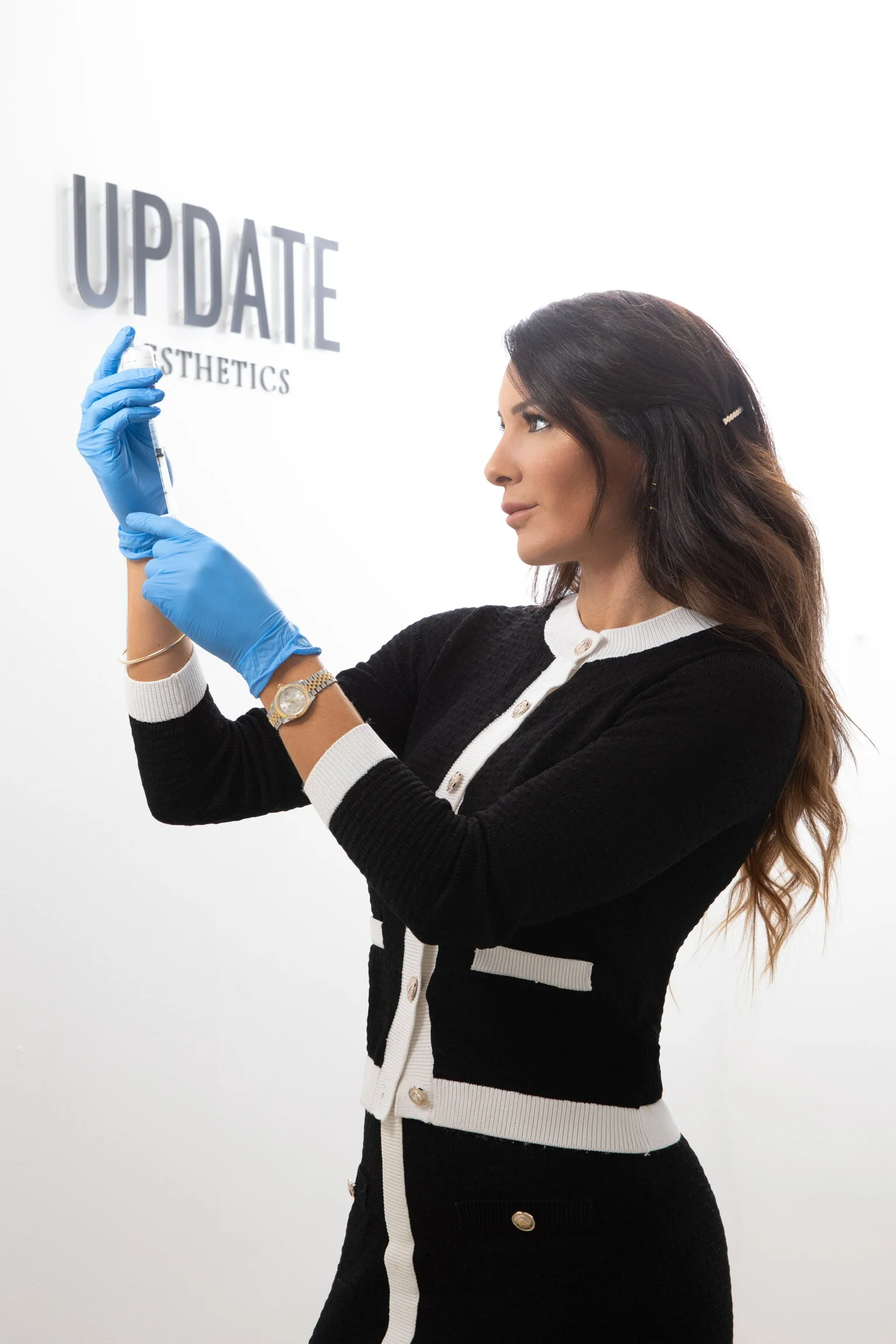
Nina Prisk (INP, MSc)
Award Winning Aesthetic Practitioner
Under the eyes this matters more than elsewhere, because the area is delicate and overtreatment is hard to correct.
When the skin is the main problem, a regenerative skin treatment is a more conservative starting point than adding volume. If the hollow is still the main concern once skin quality has improved, filler can be discussed separately for suitable patients.
What is the results timeline?
Results are gradual, not instant.
First day or two: small raised bumps or swelling at the injection points. Bruising is possible.
Course: usually around three sessions, spaced roughly two to three weeks apart.
From around week four: improvement becomes more noticeable and continues over the following weeks.
Your course and maintenance timing are confirmed at consultation, because protocols vary by product and patient. This gradual timeline suits people who want subtle improvement in skin quality rather than an immediate change in volume.
What to expect after an under-eye appointment
The under-eye area swells easily, so bumps look more obvious here than elsewhere on the face. They usually settle, but bruising and puffiness can last longer in some people. Do not book a first treatment just before an important event.
Do not judge the result the next morning. To track subtle change, take photos in the same lighting every few weeks.
Questions to ask at an under-eye consultation
What is causing my tired appearance: skin quality, pigmentation, hollowing, puffiness or a mix?
Why polynucleotides rather than tear trough filler, Jalupro Young Eye or a skincare plan?
How many sessions will I need, and what maintenance follows?
How long does swelling usually last for your patients?
How will we judge whether it has worked?
Tell your clinician about any history of significant swelling around the eyes, allergies or previous filler in the area.
For a regenerative treatment, success may mean smoother, stronger-looking skin rather than dark circles disappearing completely. Do not compare a subtle skin-quality result with edited or volume-based before-and-after photos
Visit Update Aesthetics
Truro, Cornwall
Knighton House, 47 Lemon Street, Truro, TR1 2NS
Our Truro clinic is on Lemon Street in the city centre and offers a wide range of aesthetic and skin treatments.
Harley Street, London
101 Harley Street, Marylebone, London, W1G 6AH
Our London clinic is at 101 Harley Street, within walking distance of Regent's Park, Oxford Circus and Baker Street Underground stations.
Your next step
Polynucleotides under the eyes are a skin-quality treatment. They may help when thin or crepey skin is making you look tired, but they will not replace lost volume or remove every type of dark circle. An assessment of the cause decides whether polynucleotides, filler, another injectable or no injectable is right for you.
Explore Polynucleotides at Update Aesthetics
Frequently asked questions Polynucleotides
How many polynucleotide sessions do I need under the eyes?
A short course is usually recommended, often around three sessions. The exact number and spacing depend on the product, your skin and how you respond, and are confirmed at consultation.
Are polynucleotides under the eyes painful?
The area is sensitive, so some discomfort is possible. The treatment uses several small injections, and temporary stinging, swelling or tenderness can occur.
Do polynucleotides get rid of dark circles?
They may improve dark circles when thin or poor-quality skin is part of the cause. They are less likely to help dark circles caused mainly by deep hollows, pigmentation or prominent fat pads.
How long do polynucleotides under the eyes last?
There is no single answer. Results build gradually, and maintenance is planned around the product, the course completed and your response.
How much do polynucleotides cost at Update Aesthetics?
[PRICE: polynucleotides under eyes course]. Pricing is based on the recommended course rather than a single session.