

Polynucleotides Treatment | London & Truro
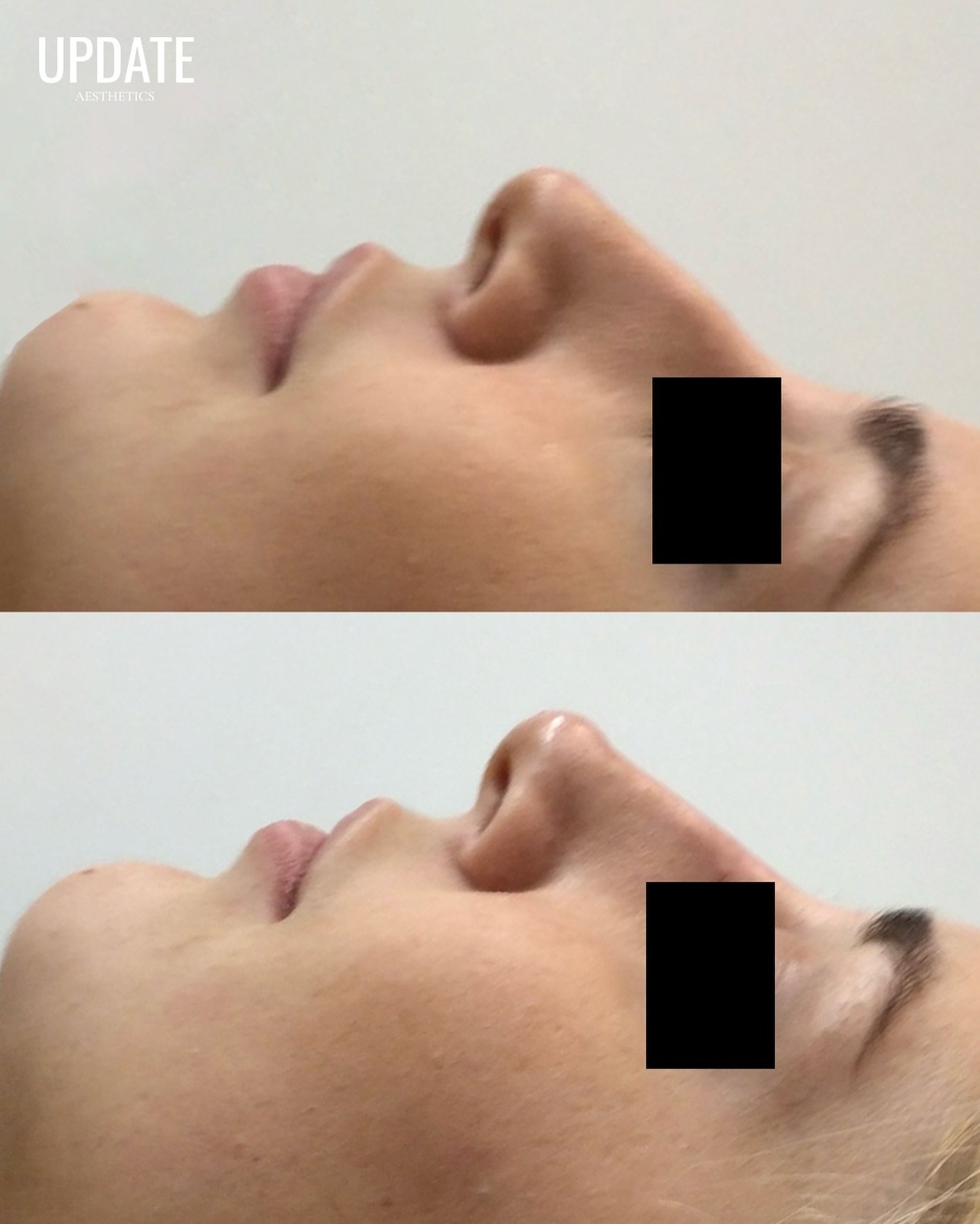
Ameela is a viscoelastic, sterile solution based on polymerized polynucleotides, an advanced treatment that helps restore skin firmness, elasticity, and protects against free radical damage. This unique solution stimulates fibroblasts and other tissue structures to enhance skin texture, resulting in a rejuvenated and youthful appearance.
At Update Aesthetics, we offer Polynucleotides treatment to enhance your skin's resilience and prevent cellular damage. With its ability to act quickly, you’ll notice visible improvements in skin structure and a lifted, refreshed appearance in just a few minutes.
The polynucleotides molecules work by neutralising free radicals, improving skin quality, and gradually restoring the skin’s youthful structure through the body’s natural processes. Polynucleotides are safe, highly effective, and work to protect and revitalize the skin over time.

What Are Polynucleotides?
Polynucleotides are purified DNA fragments, usually derived from salmon or trout, made into a sterile gel for injection. Once injected, they are thought to support the cells that produce collagen and elastin, and to help the skin repair and hydrate itself. Unlike dermal filler, they do not add volume or change your facial shape. Instead, they improve the quality of the skin over a course of treatments.
What Can Polynucleotides Be Used For?
Polynucleotides can be considered for several areas depending on your skin and goals. This may include:
Thin, crepey skin under the eyes
Dark-looking under-eyes caused by thin skin
Fine lines and uneven texture on the face
Loss of firmness on the face and neck
Crepey skin on the neck and decolletage
Dull or tired-looking skin
Polynucleotides can be combined with other skin treatments. See our Profhilo treatment.
You can also explore our Jalupro treatment.
Natural-Looking Results
Polynucleotides work with your skin rather than changing your features. Results build gradually over several weeks, so the improvement looks natural and refreshed.
Your Consultation
We assess your skin and the areas you want to treat, review your medical history and explain whether polynucleotides are right for you. Because most polynucleotides come from fish, please tell us if you have a fish allergy.
Your Polynucleotides Appointment
1
Consultation: We assess your skin, discuss your goals and check your medical history and allergies.
2
Treatment plan: We confirm the areas to treat and the number of sessions, and explain possible side effects.
3
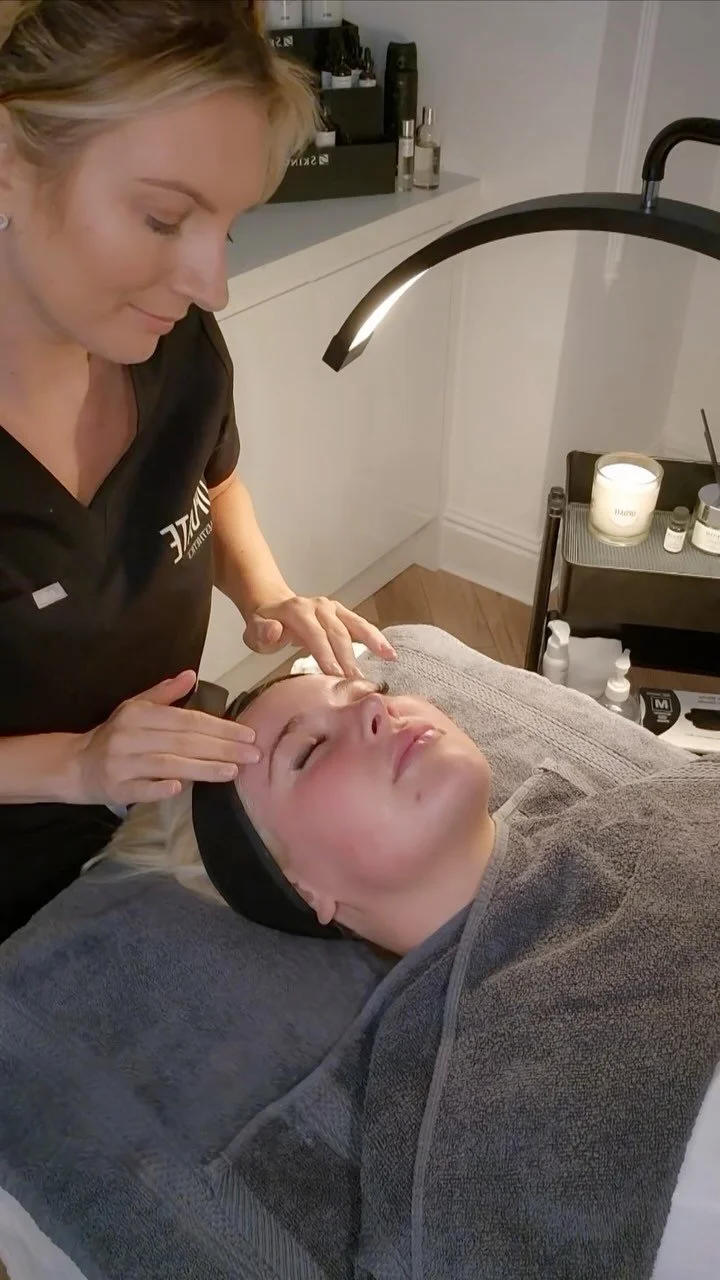
Preparation: Your skin is cleansed and numbing cream can be applied.
4
Treatment: The product is injected in small amounts across the treatment area with a fine needle or cannula.
Appointments typically take around 45 minutes including consultation, although treatment time can vary depending on the number of areas being treated.
Polynucleotides are given as a course, usually 3 sessions spaced 2 to 3 weeks apart.
Results build over the following weeks and usually last around 6 to 9 months.
Many patients then have a maintenance session every 6 months.
How Long Do Polynucleotide Results Last?
The exact duration varies between patients and can depend on:
the area treated
your skin and how it responds
lifestyle factors
the number of sessions in your course
previous treatments
Recovery and Aftercare
Small raised bumps at the injection points are normal and usually settle within 24 to 48 hours.
Some minor bruising or swelling is possible, especially under the eyes.
Contact the clinic if you have any concerns after treatment.
General guidance includes:
avoid alcohol for 24 hours before and after treatment
avoid exercise, saunas and hot environments for 24 hours after treatment
avoid make-up for 12 hours and do not massage the area

Polynucleotides FAQs
-
Polynucleotides are purified DNA fragments, usually taken from salmon or trout. They are highly purified to make them suitable for injection. Update Aesthetics asks about allergies at every consultation, so please let us know if you are allergic to fish.
-
Yes, the under-eye area is one of the most common areas treated with polynucleotides. They can help improve thin, crepey skin and the tired look it causes. At Update Aesthetics, we assess your under-eyes at your consultation to check whether polynucleotides, filler or another treatment would suit you best.
-
Most patients need a course of 3 polynucleotide sessions, spaced 2 to 3 weeks apart. A maintenance session every 6 months helps keep results going. Your practitioner at Update Aesthetics will tailor the plan to your skin.
-
Polynucleotide results build gradually. Most patients notice an improvement a few weeks after their first session, with the fullest results seen around 2 to 3 months after the course starts. Update Aesthetics recommends judging results after the full course.
-
Both improve skin quality, but they work differently. Profhilo is hyaluronic acid that focuses on hydration and firmness, while polynucleotides are thought to support the skin’s repair processes. Update Aesthetics offers both and will recommend the right option for your skin.
Polynucleotides in Truro, Cornwall
Update Aesthetics provides polynucleotide treatments from our clinic at:
Knighton House
47 Lemon Street
Truro Cornwall
TR1 2NS
Our Truro clinic provides a wide range of non-surgical aesthetic and skin treatments.
Patients looking for polynucleotides in Truro or Cornwall can book a consultation to discuss their concerns and receive a personalised treatment recommendation.
Polynucleotides at 101 Harley Street, London
Update Aesthetics provides polynucleotide treatments from our clinic at:
101 Harley Street
Marylebone
London
W1G 6AH
Nina Prisk practises from the Harley Street clinic every Wednesday, providing personalised non-surgical aesthetic treatments from one of London's best-known medical districts.
If you are considering polynucleotides in London or Harley Street, your consultation provides an opportunity to discuss the areas you would like to address and determine whether polynucleotides are the right treatment for you.
Follow our Instagram