

Anti-wrinkle injections are a prescription-only treatment, so suitability cannot be decided from a menu or an online checklist. A qualified prescriber decides at a face-to-face consultation, after reviewing your medical history, your goals and whether treatment is right for you at that time.
For some people the answer is "not suitable". For others it is "not now".
Who can't have anti-wrinkle injections?
Treatment is generally avoided if you:
are pregnant or breastfeeding
have certain neuromuscular conditions
have an active infection at the injection site
have a known relevant allergy
have a medical history, or take medicines, that make treatment inappropriate
Expectations matter too. If the result you want cannot be achieved safely, or would need over-treatment, a responsible prescriber will suggest a different plan or no treatment.
How anti-wrinkle injections work
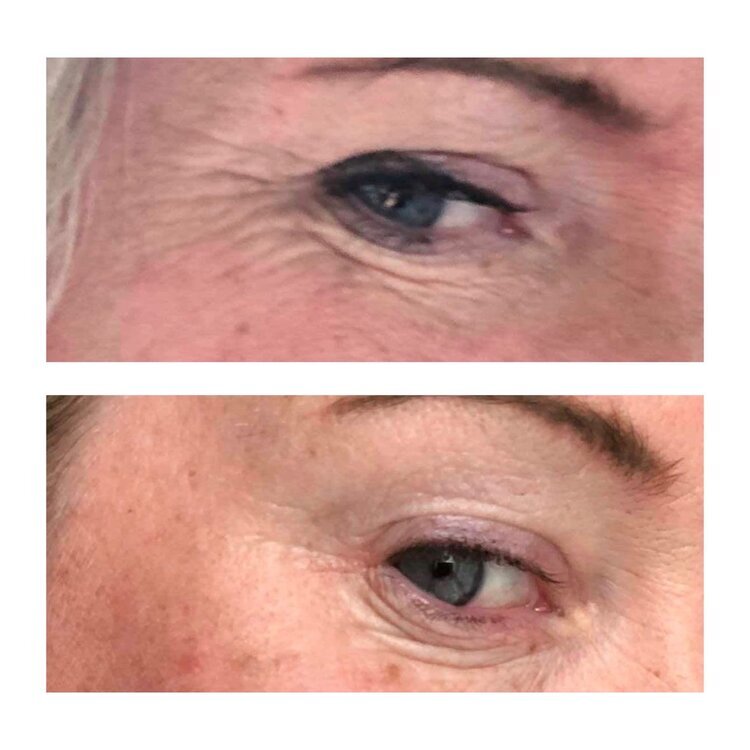
The treatment uses a prescription medicine to temporarily reduce activity in selected facial muscles. These muscles create expression lines, so reducing their activity softens the lines while the medicine is active.
The aim is not to stop all movement. Your anatomy, muscle strength, asymmetry, brow position and natural expressions all affect where treatment is or is not appropriate.
Medical reasons a prescriber will want to discuss
Contraindications go beyond a short online list, because your full medical history matters, not just one diagnosis. Tell your prescriber about:
neuromuscular conditions
previous reactions to injectable medicines
swallowing or breathing problems
all medicines you take (bring an up-to-date list)
recent surgery, significant illness or ongoing specialist care
previous aesthetic treatment: what was injected, when and where, and any unusual response
Do not decide for yourself that a medicine or condition is unrelated. If your prescriber needs more information, treatment can wait until they have it.
Reasons a prescriber may advise you to wait
Some reasons are about timing rather than suitability. You may need to postpone if you:
have an active skin infection or are unwell
have had a recent procedure in the same area
have recently changed medication
have had recent dental treatment (whether it matters depends on the area being treated, so always mention it)
Your prescriber may also want information from your GP or another clinician first.
Major events matter too. Results develop gradually, and temporary redness, swelling, bruising, headache or asymmetry can occur. If you have a wedding, presentation or trip coming up, book well ahead instead of relying on a last-minute result.
| Situation | What it may mean | Next step |
|---|---|---|
| Pregnancy or breastfeeding | Treatment is generally avoided | Wait and discuss timing with a qualified prescriber |
| Active infection or illness | Treatment may need to be postponed | Recover first and rebook after clinical advice |
| Relevant medical condition or medicine | Suitability needs further assessment | Give a full medical history and follow prescriber advice |
| Important event very soon | Result and side effects may not have settled | Book earlier or wait until afterwards |
| Unrealistic or unsuitable goal | More treatment is not automatically better | Discuss alternatives or no treatment |
When expectations make treatment unsuitable
A consultation also checks that the result you want is realistic. Some lines are caused by skin quality, volume loss, pigmentation or laxity rather than muscle movement. Treating more muscle will not fix those, and treating the wrong cause leads to disappointment even when the injection itself goes well.
When another treatment may be a better fit
If expression lines are not the main issue, another route may help more:
Dehydrated or crepey skin: a skin-quality treatment such as Profhilo or polynucleotides
Volume loss: carefully planned dermal filler
Pigmentation, rough texture or sun damage: skincare, peels or microneedling

Nina Prisk (INP, MSc)
Award Winning Aesthetic Practitioner
A prescriber's job is not to give the treatment requested, but to decide whether it is clinically appropriate for the person in front of them.
A good consultation can end in treatment, a delay, an alternative or no treatment. The right plan is the one that matches your health, anatomy and expectations.
Visit Update Aesthetics
Truro, Cornwall
Knighton House, 47 Lemon Street, Truro, TR1 2NS
Our Truro clinic is on Lemon Street in the city centre and offers a wide range of aesthetic and skin treatments.
Harley Street, London
101 Harley Street, Marylebone, London, W1G 6AH
Our London clinic is at 101 Harley Street, within walking distance of Regent's Park, Oxford Circus and Baker Street Underground stations.
Frequently asked questions about Anti Wrinkle Injections
Can I have anti-wrinkle injections while pregnant or breastfeeding?
No. Treatment is generally avoided during pregnancy and breastfeeding. Discuss timing with a qualified prescriber.
Who should not have anti-wrinkle injections?
You may be unsuitable if you are pregnant or breastfeeding, have certain medical conditions or an active infection, take relevant medicines, have relevant allergies, or want a result that is not clinically appropriate. A prescriber assesses this individually.
What are the side effects of anti-wrinkle injections?
Possible effects include temporary redness, swelling, bruising, headache, tenderness and unwanted changes in muscle position or symmetry. Your prescriber should explain the risks before treatment.
Why do anti-wrinkle injections need a face-to-face consultation?
They are a prescription-only treatment. The consultation lets the prescriber review your medical history, assess your facial movement, discuss risks and decide whether prescribing is appropriate.
Can I have anti-wrinkle injections before a big event?
Plan ahead. Results develop over several days and take around two weeks to settle, and bruising or other temporary effects are possible.